Why Correct Sizing for Your Sp5der Hoodie Has More Impact Than Most Buyers Expect
Sizing is one of the most overlooked aspects of purchasing a Sp5der hoodie, but it profoundly affects on the appearance and comfort of the garment on your body. As opposed to ordinary mass-market brands where sizing is flexible and adaptable, Sp5der’s proportions are deliberate — they’re built around particular shape goals that reflect the brand’s streetwear aesthetic. Selecting an incorrect size doesn’t just produce minor inconvenience; it can entirely compromise the look that makes sp5der clothing so distinctive in the first place. In 2026, as online purchasing becomes more prevalent without the option of in-person fitting, precise size awareness has become essential for purchasing with confidence. Swaps and returns for limited-edition releases are notoriously difficult, because restocks happen rarely and resale premiums make swapping sizes expensive. This guide walks you through all the essential guidance to choose the right size Sp5der hoodie for you — beginning with proper measuring techniques to knowing how varying pieces within the brand’s collection run differently.
The Sp5der Hoodie’s Sizing Philosophy: Getting to Know the Brand’s Cut
Sp5der hoodies are defined by their roomy, boxy silhouette that draws directly from nineties hip-hop aesthetics and present-day urban fashion culture. The label purposefully makes its pieces to drape loosely across the shoulders and chest, with additional space in the body and sleeve length versus athletic or tapered alternatives. This silhouette is central to the spider hoodie’s appeal — it expresses relaxed confidence and the natural ease that characterizes the brand’s identity. Understanding that this is a deliberate design choice, rather than a sizing error, leads to more informed choices on which size to select. Numerous new purchasers accustomed to fitted hoodies naturally want to go smaller to offset the generous proportions, which may produce a hoodie that spider og rhinestone hoodie fits awkwardly through the shoulders and sacrifices the relaxed silhouette. However, choosing an excessive size may cause the hoodie to appear formless as opposed to deliberately large — a clear gap separates between a well-fitted oversized piece and one that simply swamps its wearer. The aim is selecting a size that achieves the brand’s intended drop-shoulder, relaxed-body aesthetic while preserving unrestricted movement and maintaining the garment’s graphic proportions.
Standard Sp5der Hoodie Size Chart
| Size | Chest (inches) | Body Length (inches) | Sleeve Length (inches) | Best Fit Body Type |
|---|---|---|---|---|
| S | 20–21 | 26–27 | 33–34 | Slender build; 5’5″–5’8″, 120–145 lbs |
| M | 22–23 | 27–28 | 34–35 | Medium frame; 5’7″ to 5’11”, 145–175 lbs |
| L | 24–25 | 28–29 | 35–36 | Fit and athletic; 5’9″ to 6’1″, 170–200 lbs |
| XL | 26–27 | 29–30 | 36–37 | Broad-shouldered; 6’0″–6’3″, 195–225 lbs |
| XXL | 28–30 | 30–31 | 37–38 | Big and tall; 6’2″+, 220+ lbs |
Measuring for Your Sp5der Hoodie Before Buying
Precise self-measuring requires fewer than five minutes and is the most dependable method to ensure a confident size selection. When measuring your chest, place a flexible measuring tape across the fullest area of your chest — directly under your armpits and across your shoulder blades — holding the tape horizontal and close but not constricting. For body length, measure from the top of your shoulder (where neckwear would naturally sit) downward to where you’d like the hoodie to fall, generally at hip level or slightly below the waistband of your pants. To determine arm length, measure from the center back of your neck, over the shoulder and along the arm to the base of your thumb with the elbow slightly bent. With all three dimensions in hand, compare them against Sp5der’s published size chart, found on verified resale sites and often included in product listings on platforms like GOAT and StockX. If your measurements fall between two sizes, the general recommendation for Sp5der hoodies suggests choosing the bigger option, since the hoodie’s generous shape accommodates the extra room better than a more fitted option manages the tighter size. Make note of your sizes in inches and centimetres alike, as certain independent sellers list Sp5der dimensions in metric units.
Sizing Tips for Women and Petite Wearers
Sp5der hasn’t released a women’s-exclusive range for its core hoodie collection, so female buyers and shorter individuals should take special care when selecting a size. Ladies seeking the traditional oversized Sp5der hoodie style commonly drop one size from what they’d choose in men’s sizing — as an example, a woman used to a men’s M might look at an S to achieve a better-proportioned result. But if the aim is the complete oversized street-style look that Sp5der is celebrated for, maintaining your true size or sizing up is a legitimate and aesthetically strong decision. Shoppers shorter than 5’6″ ought to give careful consideration to how long each size measures, since spider hoodies usually run on the longer side and a size that’s right across the upper body can end up looking tunic-length on a smaller frame. For this group of shoppers, checking the specific body length listed and weighing it to how long you prefer your hoodies to sit is more helpful guidance than general size labels alone. Community fitting threads on Reddit’s r/streetwear and r/fashionadvice regularly include shoppers posting their height, weight, and size choices for particular Sp5der hoodies, turning them into a valuable tool for shoppers who don’t fit neatly into standard sizes working through Sp5der’s sizing system.
The Reason Sp5der’s Various Hoodie Models Fit Differently
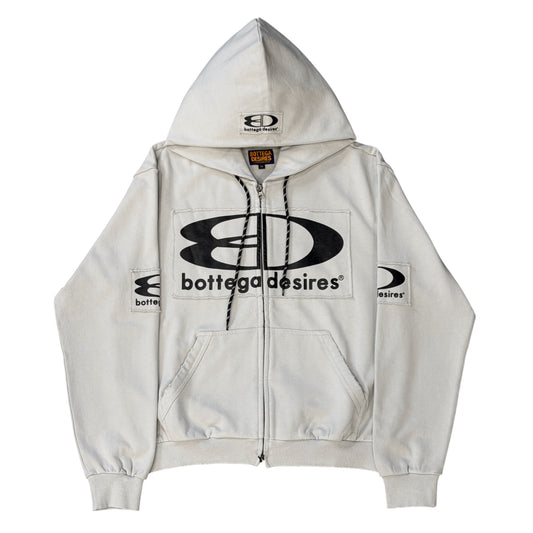
Not all Sp5der hoodies are cut identically — particular product lines and individual styles across the brand’s range can vary in their proportions, and knowing about these variations avoids unexpected fit issues. The classic Sp5der web hoodie, which features the signature rhinestone web graphic on the chest and back, remains the label’s most reliably generous piece and is the reference point for the majority of published size charts. Zip-up variants within the Sp5der line usually come in a somewhat more fitted cut through the body, allowing some shoppers to choose their actual size without going larger. Collab items made in conjunction with other brands or artists sometimes feature different cut specifications depending on the partner brand’s manufacturing standards. Exclusive limited-run pieces can also vary in their dimensions from the standard sizing, which is why checking the exact dimensions for every specific item — rather than depending only on a universal size table — is always the safest approach. Through verified secondary market platforms such as StockX, product pages regularly show precise measurements provided by the seller, which are more reliable than generic brand size charts for pieces from special collections. Taking the extra time to verify garment-specific measurements rather than defaulting to your usual size will spare you from the frustrating experience of receiving a hoodie that doesn’t fit in the way you imagined.
How to Handle a Sp5der Hoodie That Doesn’t Fit Perfectly
Even with thorough pre-purchase measuring, sizing for limited-run streetwear pieces isn’t always successful, and understanding what you can do reduces stress considerably. Should the hoodie fit in the body while sleeves run a bit long, folding back the sleeves preserves the street-style look without affecting the outfit negatively — in fact, cuffed sleeves are a common styling choice among Sp5der enthusiasts. If the piece is slightly too large overall yet you adore the color, an experienced seamstress or tailor familiar with streetwear-friendly alterations is able to reduce the side seams and modify the hem length without disrupting the original hemming or design placement. Listing the piece and buying the right fit through channels like Depop or Grailed represents a practical alternative — the streetwear community is active and responsive, and correctly priced authentic Sp5der pieces tend to find new owners quickly. When your buying channel offers a return policy, move quickly after receiving a garment that doesn’t fit instead of holding off, as most window periods are short. Going forward, use your first Sp5der purchase as a personal fit baseline — record the precise dimensions of the garment that arrived and apply them as your own sizing guide for all future sp5der clothing purchases.
Choosing to Size Up: Intentional Styling Choices
Numerous Sp5der fans purposefully go one or more sizes up to produce a more extreme oversized effect, and this is a valid and fashion-forward choice when done thoughtfully. Going one size above your regular size generates more shoulder extension and more length across the body, which coordinates perfectly with fitted sweatpants or slim-cut denim to build the visual tension that defines the streetwear aesthetic. Choosing a size that’s two up creates a truly intense maximum-size silhouette that draws directly from nineties hip-hop fashion — this works best when balanced with fitted bottoms and clean footwear like low-top sneakers or slides. The secret to pulling off purposeful oversizing is proportional contrast: the top layer should be emphatically large while the lower half stays close-fitting, creating a deliberate and confident visual contrast instead of a proportional mismatch. Bear in mind that significantly oversized garments work best on taller bodies; for wearers shorter than 5’7″, jumping two sizes can overwhelm the silhouette and have the garment looking like it belongs to a taller person instead of reading as a considered styling choice. Throughout 2026, voluminous layering continues to rank as one of the top trends in men’s streetwear, keeping a roomy spider hoodie not merely cozy but authentically fashion-forward and forward-thinking as a wardrobe choice.