Card Counting in Live Roulette: What Actually Moves the Needle
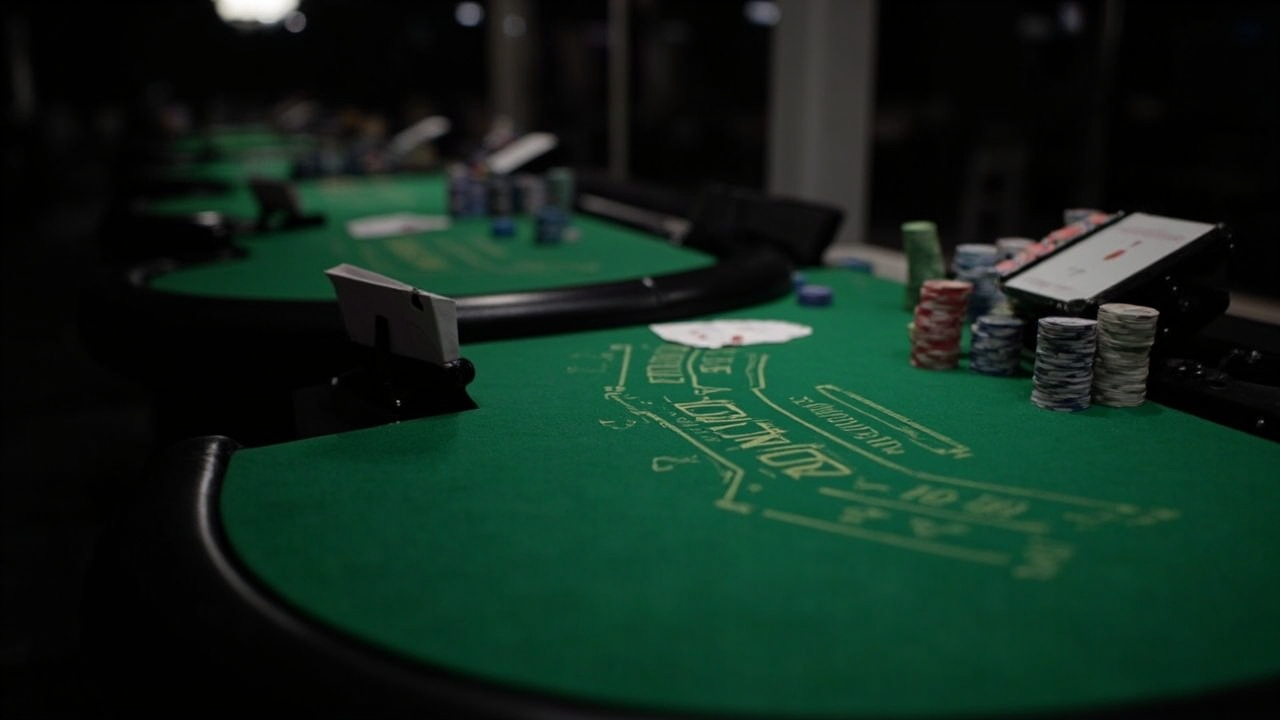
Most punters walking into a Sydney club or logging on after work reckon they can spot a pattern in the wheel. The reality is far drier. Card counting in live roulette is a myth that keeps circulating in pubs and on forums, and anyone with a trading background knows the difference between a biased sample and a fair wheel. I have spent years watching sportsbook markets and live odds tick across screens, and the same discipline applies here: if the house edge is baked into the rules, no amount of mental arithmetic shifts it. The real question for an Australian player is whether a live table offers enough transparency and pace to make the session worth the credit.
Where the lobby lands for table players
The game mix matters more than the spin itself, and the lobby organisation tells you what the operator prioritises. A solid live floor will put the roulette tables up front, with clear tiles for speed, stakes and dealer language, rather than burying them under a wall of slots. Providers should be named on the table ribbon so you know whether you are sitting in front of a standard 1:1 live stream or a studio-built variant with extra side bets. Search and filters need to handle stake ranges and game type without forcing you through five pages of promotional tiles. If a site leans hard into free spins for new sign-ups while the table section feels like an afterthought, that tells you where the product team’s focus sits. You can find thepokies.net free spins at the welcome pack, but the live lobby still needs to stand on its own for anyone who actually wants to play cards or wheels. Discovery should be quick, the provider labels should be consistent, and the stake filters should reflect what a regular player would actually use on a Tuesday arvo, not just the promotional ceiling.
The counting claim versus the actual mechanics
A roulette wheel does not keep a deck, so the classic card counting playbook does not transfer. What people sometimes mean is tracking hot and cold numbers, or watching the pace of the dealer and the wheel to guess whether the ball is landing in a certain band. That is pattern-seeking, not counting, and it is why I keep bringing up trading desks: in a fair market you do not outguess randomness with a notebook, you manage exposure and pick the right price. Dylan Walsh, Independent iGaming Expert, Nullarbor Gaming Analytics, puts it plainly: “The wheel does not carry a memory that a player can exploit, so any system that claims to count outcomes in live roulette is describing discipline, not an edge.” A live table can still be a good session if the rules are clear, the stream is stable and the stake ladder matches your bankroll, but the advantage narrative needs to be dropped before you sit down.
Bankroll, pace and the cost-of-living reality
A lot of players are working around a tight household budget and a fortnightly pay cycle, which changes how a live table should be approached. The session pace matters more than the advertised bonus mechanics, because a fast dealer and a high-stakes minimum can chew through a plan before the first break. A sensible setup keeps the table stake within a range that survives a bad quarter-hour without turning into a chase, and it avoids loading up on side bets that inflate the house edge just because the on-screen graphics look busy. Chloe Gibson, Sports Betting Analyst, Swan River Interactive, notes that “players who treat a live table like a short, priced event tend to stay in control, while those chasing a streak usually run into the same friction they would see on a volatile market.” If you are balancing bills and a mortgage, the right call is a table with a stake ladder that fits the money you can actually set aside, not the headline bonus amount.Skynews
Sydney tables, mobile and customer support
For anyone playing in or around Sydney, the local detail that matters is whether the live room feels built for Australian hours and stake habits, not just copied from another market. Mobile play should hold the same table ribbon, dealer info and stake filters as the desktop view, because a lot of sessions start on the train or during a lunch break and finish later at home. Registration needs to be straightforward, with clear identity checks and a payments section that lists the currencies and methods you would actually use, rather than a vague promise of fast withdrawals. Support should be reachable when the stream lags or a bet settles differently from what you expected, and the loyalty tier should reward regular table play instead of pushing you back toward bonus spins you did not ask for. None of this makes the wheel fairer, but it does make the session less friction-heavy, which is often the real win for a player who just wants a quiet table and a stable connection.
That consistency helps players keep their rhythm when they switch devices mid-session, rather than relearning the layout each time. If you want to compare how different operators handle those cross-device flows, you can check thepokies.net free spins at https://thepokiesnet-freespins.com/ for a quick overview. The right setup should feel seamless whether you are tapping through commutes or settling in for an evening at the kitchen table.
The bottom call is straightforward: card counting in live roulette is not a genuine edge, and anyone selling it as one is selling certainty that does not exist. What does exist is a live table with clear rules, a lobby that puts the right games in front of you, and a stake plan that respects the money you have on hand. If that sounds like your kind of session, pick a room with vegasartscorner.com stable streaming, sensible minimums and support that answers when the stream falters, and treat the wheel as paid entertainment with a fixed limit rather than a puzzle to solve.